



flake-edit has the following cli interface:
Edit your flake inputs with ease.

Usage: flake-edit [OPTIONS] <COMMAND>

Commands:
  add
          Add a new flake reference
  remove
          Remove a specific flake reference based on its id
  change
          Change an existing flake reference's URI
  list
          List flake inputs
  update
          Update inputs to their latest specified release
  pin
          Pin inputs to their current or a specified rev
  unpin
          Unpin an input so it tracks the upstream default again
  follow
          Add a follows relationship to make an input's dependency follow a top-level input
  help
          Print this message or the help of the given subcommand(s)

Options:
      --flake <FLAKE>
          Location of the `flake.nix` file, that will be used
      --lock-file <LOCK_FILE>
          Location of the `flake.lock` file. Defaults to `flake.lock` in the current directory
      --diff
          Print a diff of the changes, will not write the changes to disk
      --no-lock
          Skip updating the lockfile after editing flake.nix
      --non-interactive
          Disable interactive prompts
  -h, --help
          Print help
  -V, --version
          Print version
Add a new flake reference

Usage: flake-edit add [OPTIONS] [ID] [URI]

Arguments:
  [ID]
          The name of an input attribute
  [URI]
          The uri that should be added to the input

Options:
      --ref-or-rev <REF_OR_REV>
          Pin to a specific ref_or_rev
  -n, --no-flake
          The input itself is not a flake
  -s, --shallow
          Use shallow clone for the input
  -h, --help
          Print help
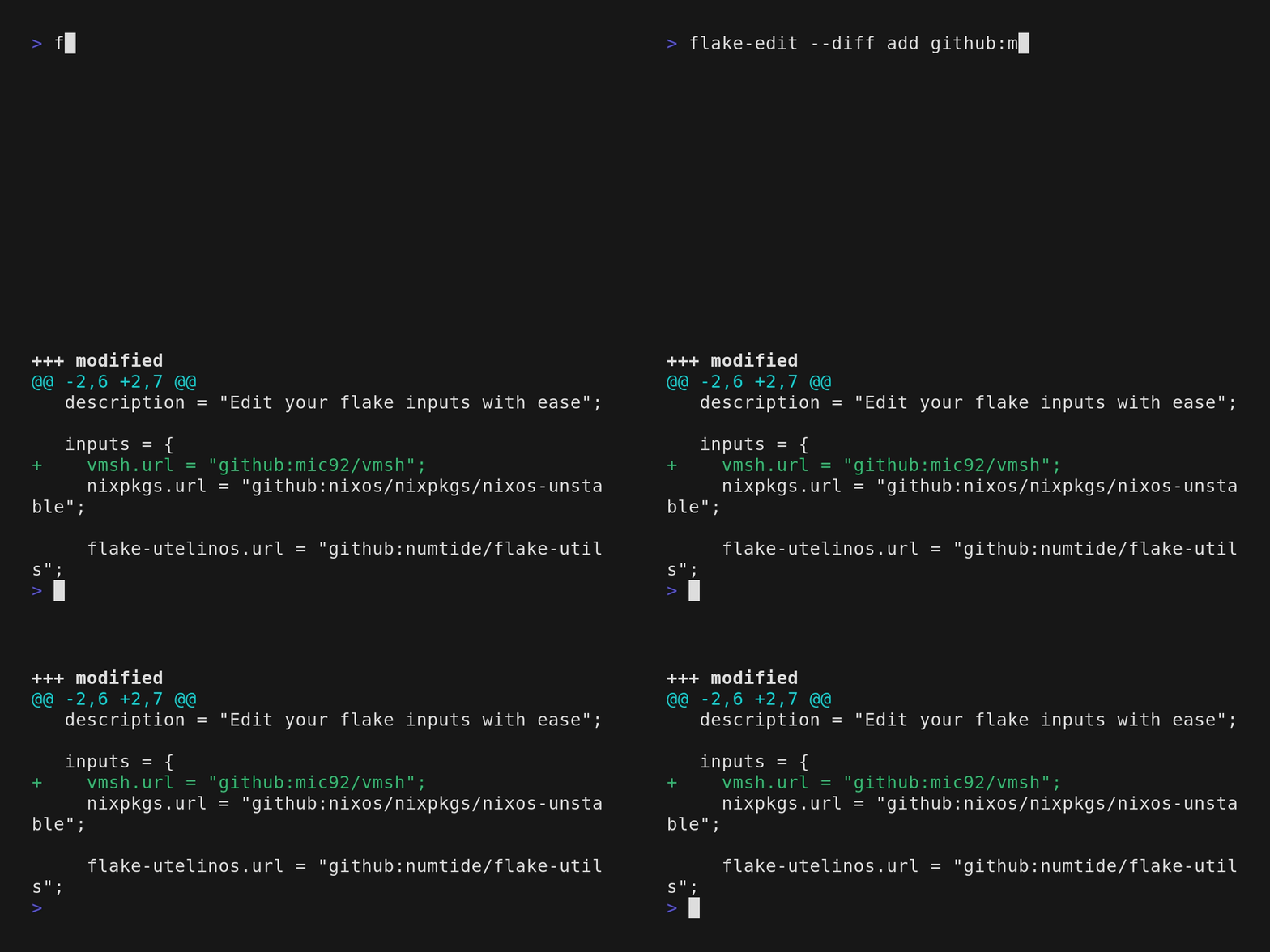
For some types, the id will be automatically inferred.
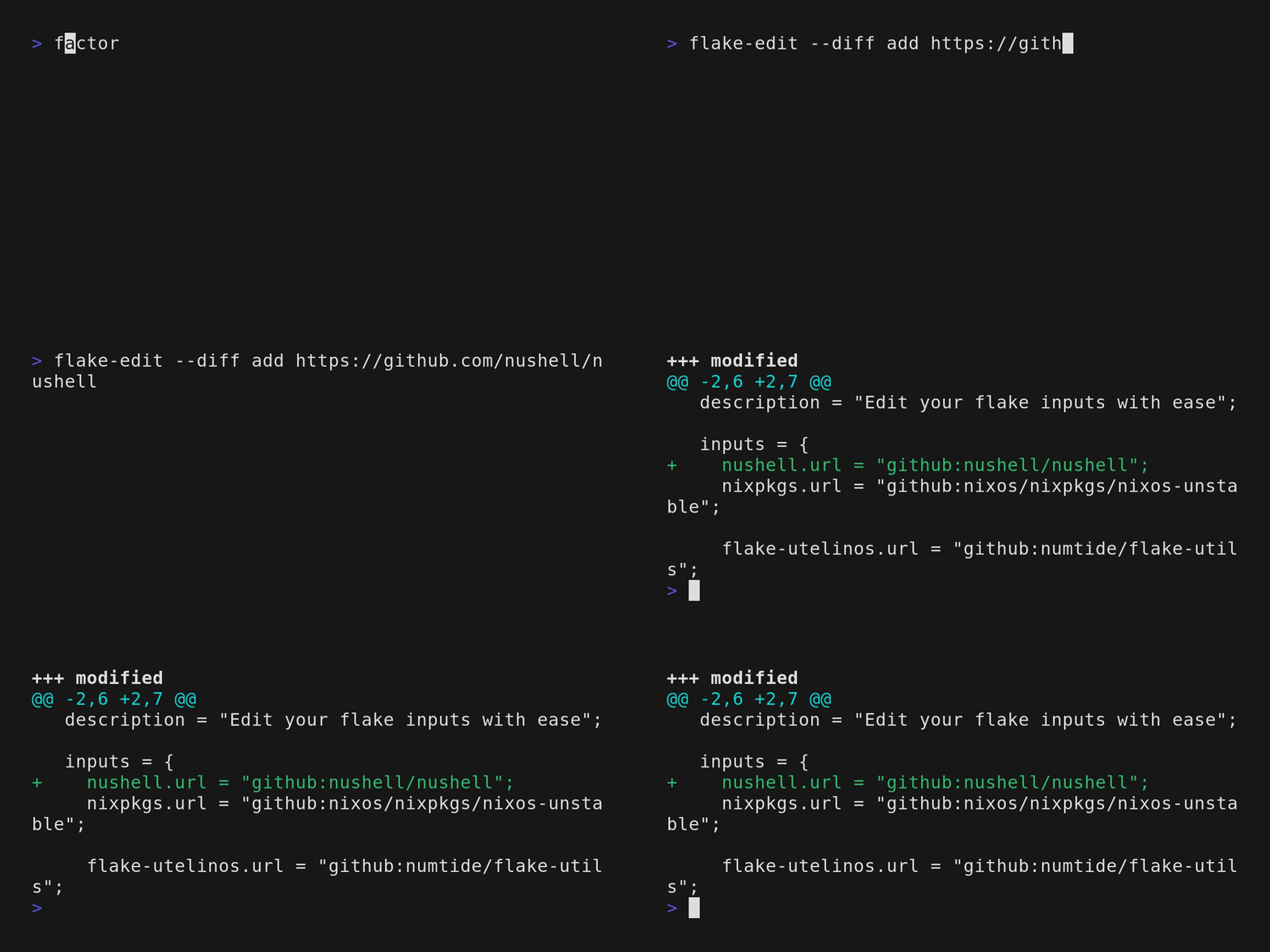
For some inputs, the uri can be put in directly and the id and type will be inferred.
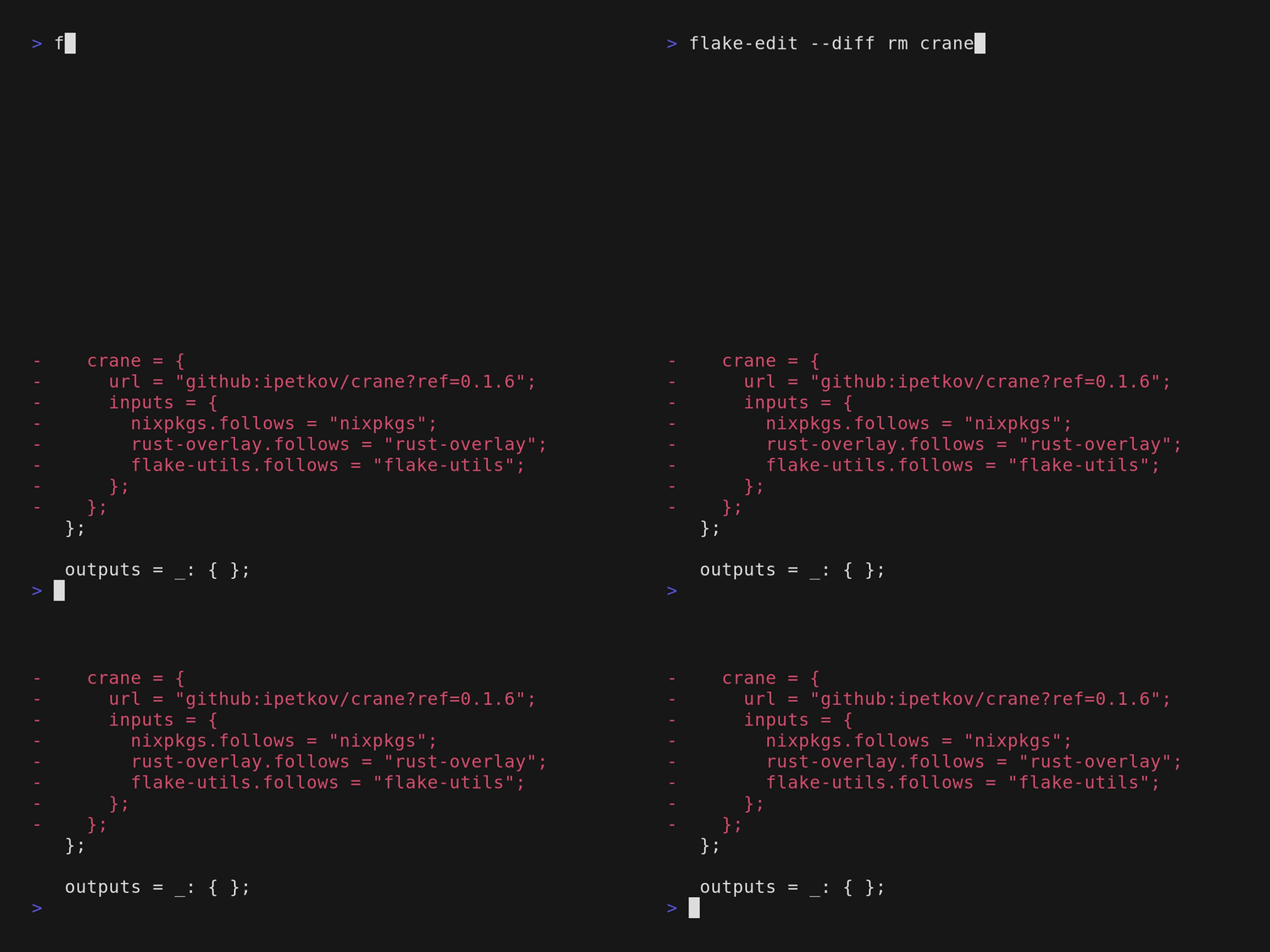
Remove a specific flake reference based on its id

Usage: flake-edit remove [ID]

Arguments:
  [ID]


Options:
  -h, --help
          Print help
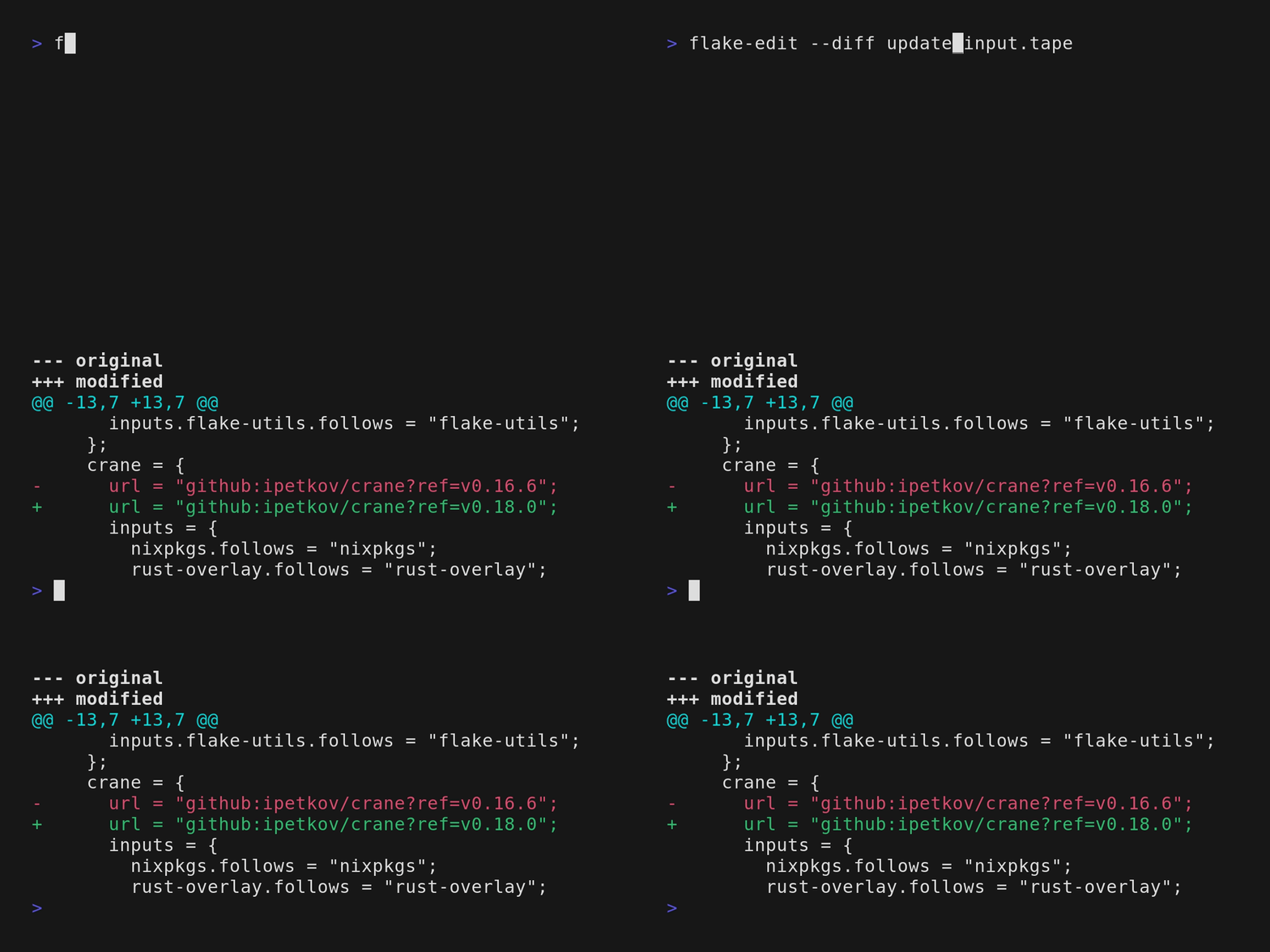
Update inputs to their latest specified release

Usage: flake-edit update [OPTIONS] [ID]

Arguments:
  [ID]
          The id of an input attribute. If omitted will update all inputs

Options:
      --init
          Whether the latest semver release of the remote should be used even thought the release itself isn't yet pinned to a specific release
  -h, --help
          Print help
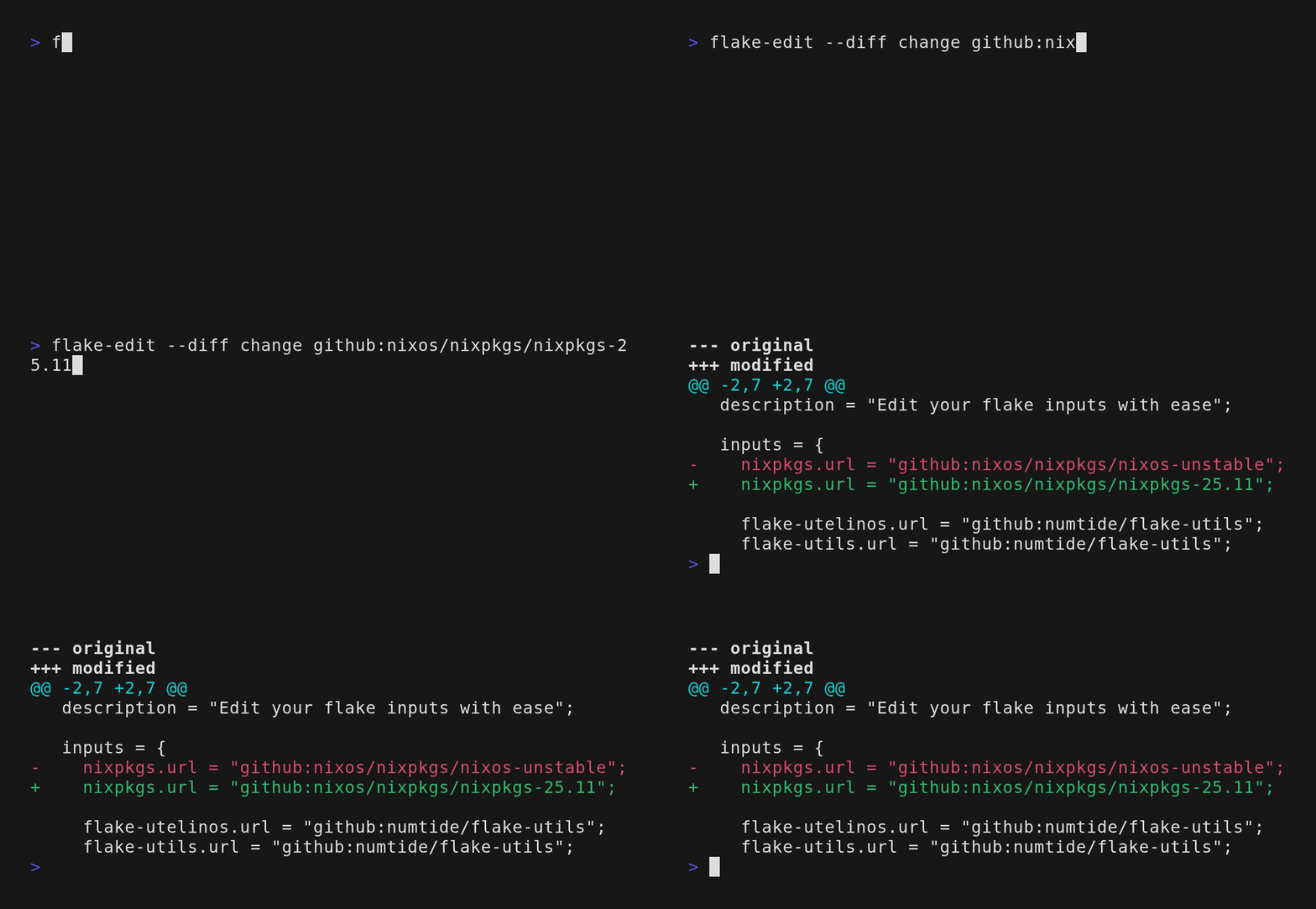
Change an existing flake reference's URI

Usage: flake-edit change [OPTIONS] [ID] [URI]

Arguments:
  [ID]
          The name of an existing input attribute
  [URI]
          The new URI for the input

Options:
      --ref-or-rev <REF_OR_REV>
          Pin to a specific ref_or_rev
  -s, --shallow
          Use shallow clone for the input
  -h, --help
          Print help
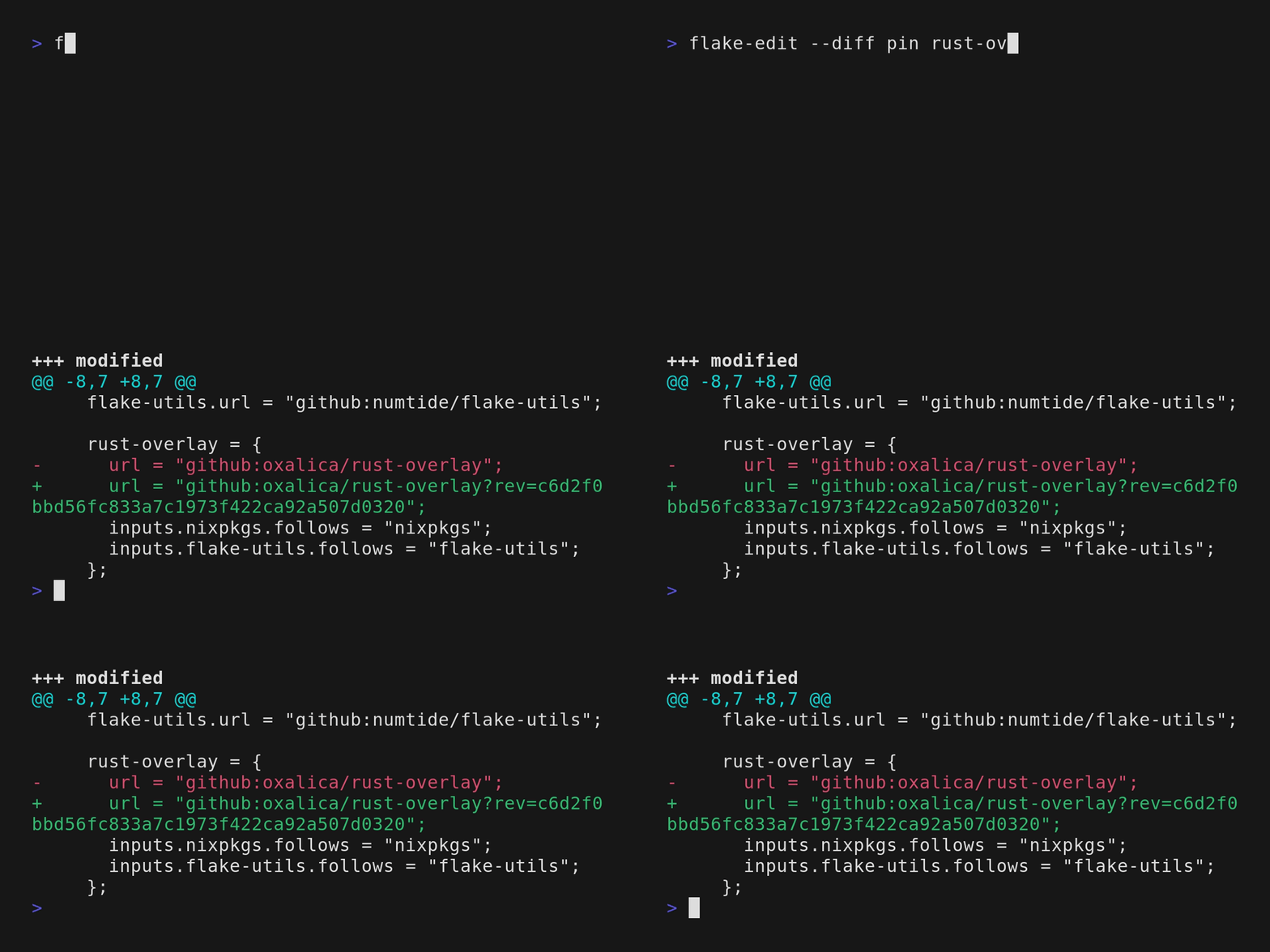
Pin inputs to their current or a specified rev

Usage: flake-edit pin [ID] [REV]

Arguments:
  [ID]
          The id of an input attribute
  [REV]
          Optionally specify a rev for the inputs attribute

Options:
  -h, --help
          Print help
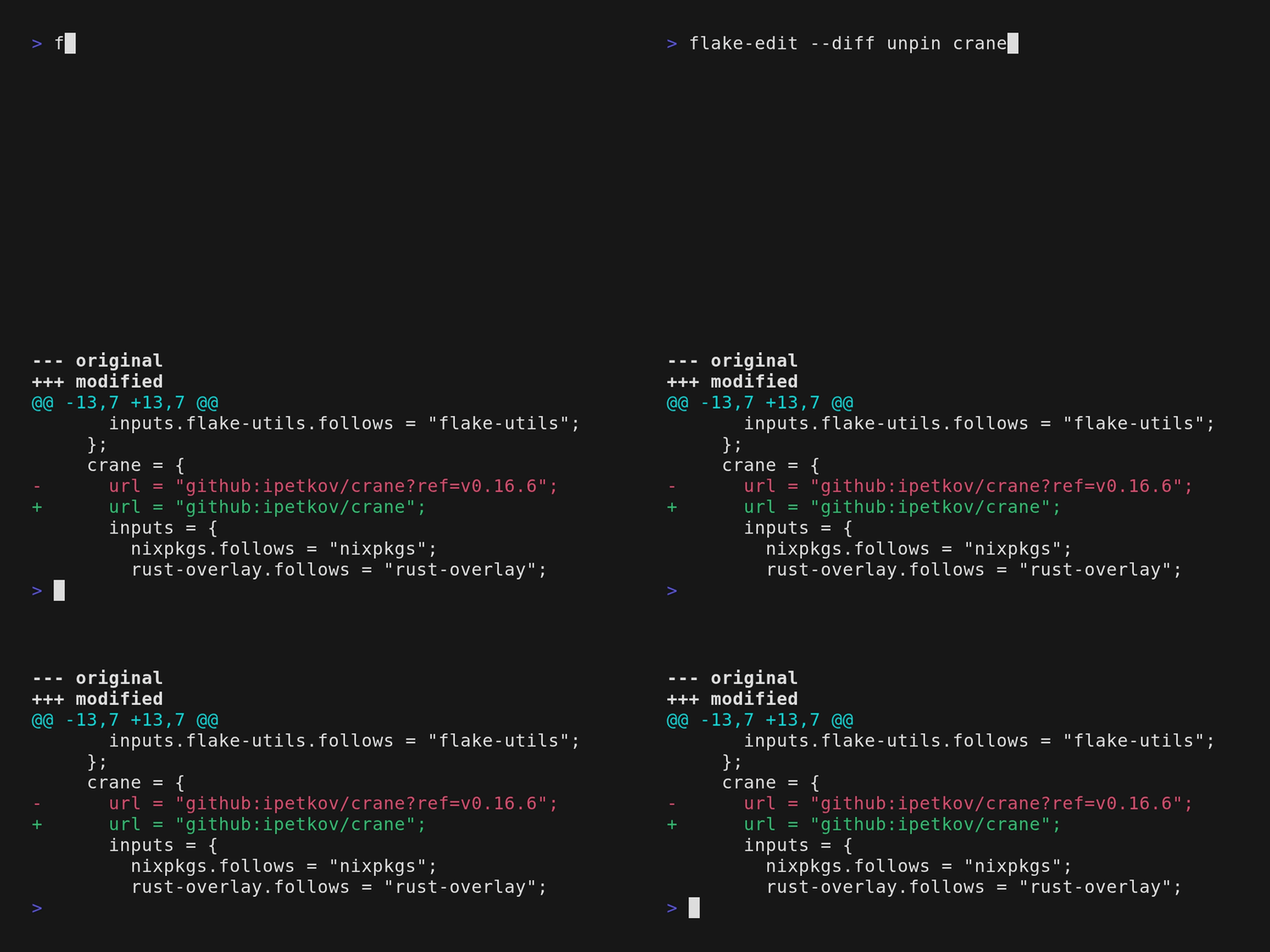
Unpin an input so it tracks the upstream default again

Usage: flake-edit unpin [ID]

Arguments:
  [ID]
          The id of an input attribute

Options:
  -h, --help
          Print help
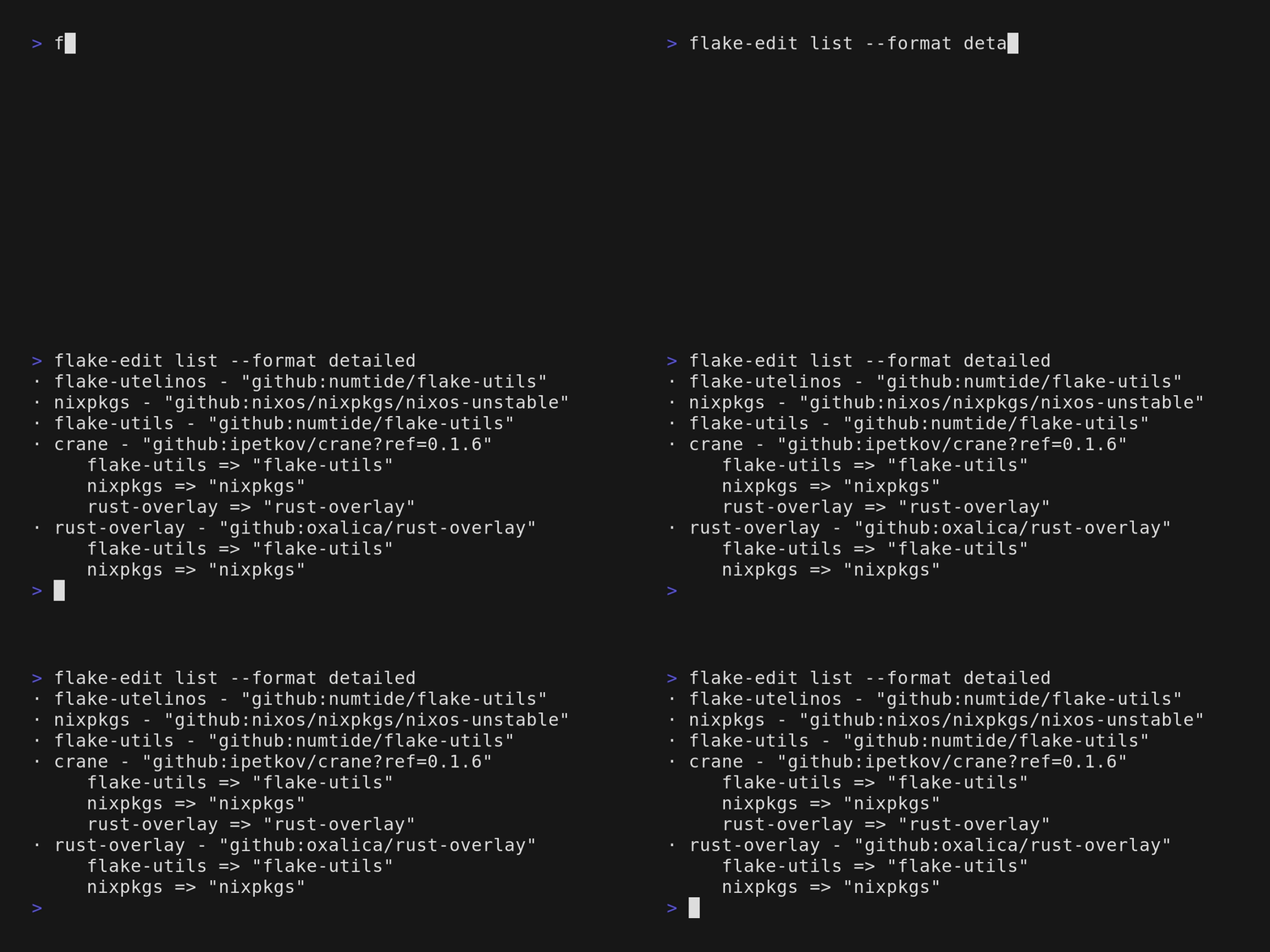
List flake inputs

Usage: flake-edit list [OPTIONS]

Options:
      --format <FORMAT>
          [default: detailed]
  -h, --help
          Print help
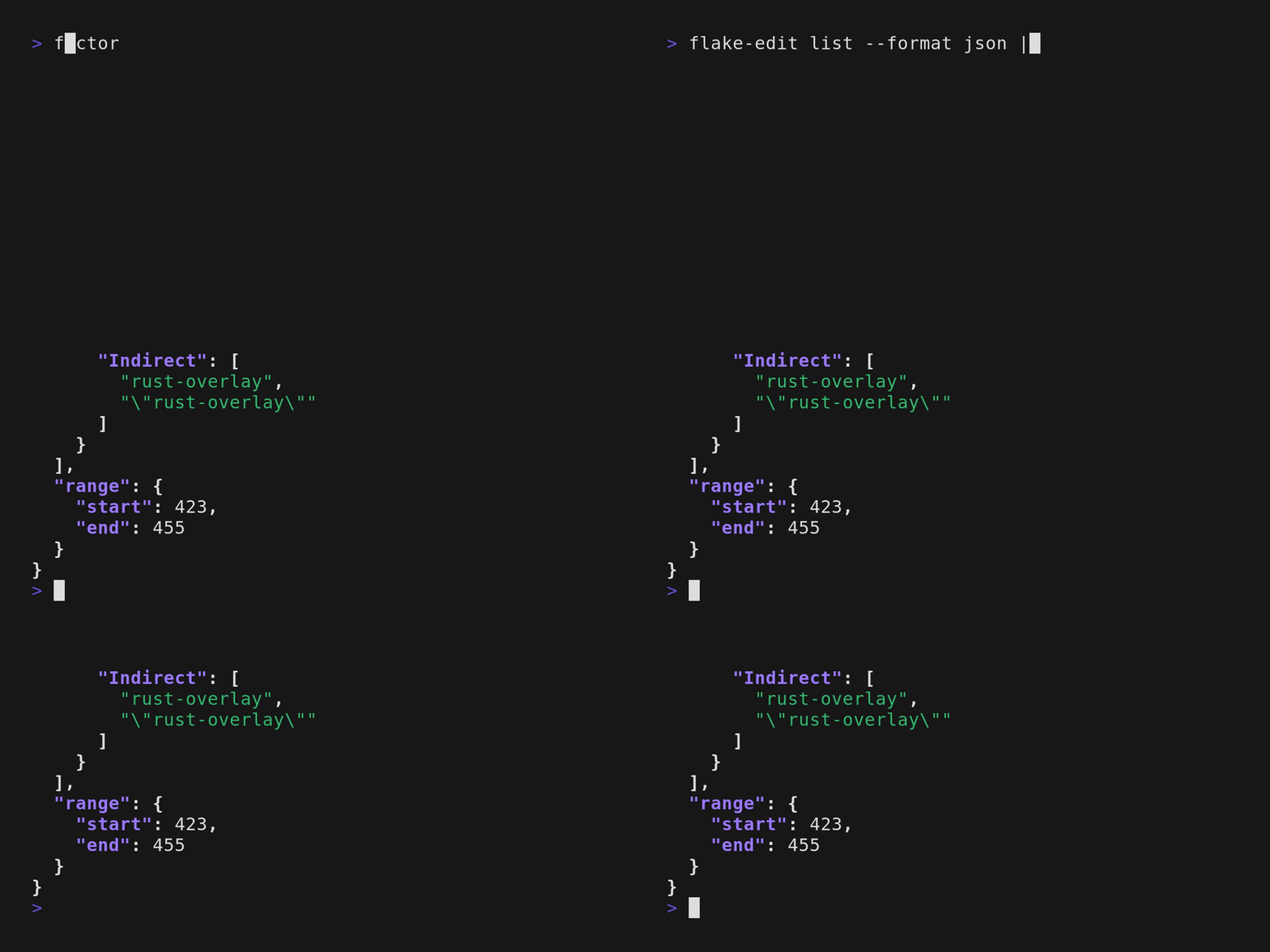
List the outputs, that are specified inside the inputs attribute.
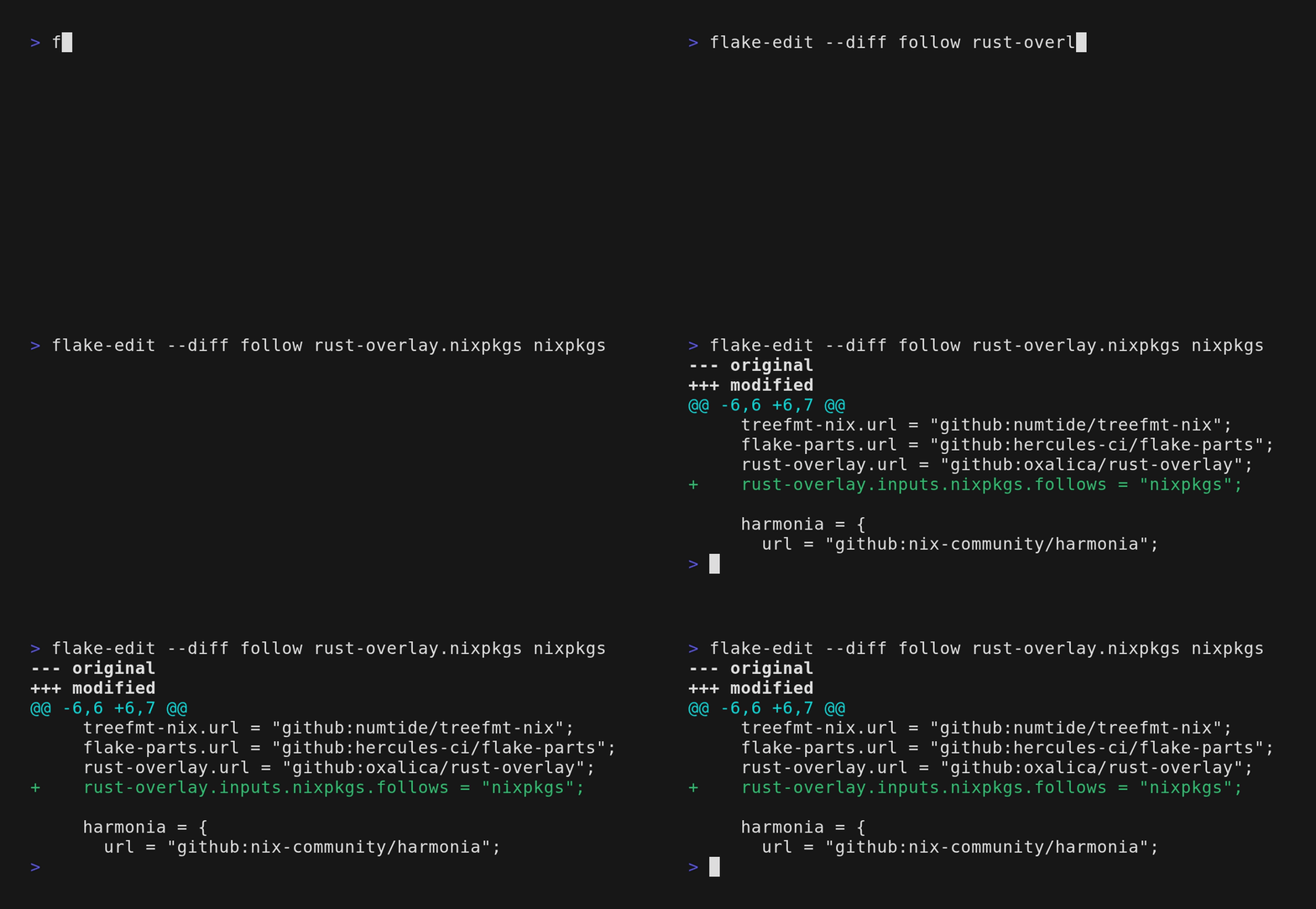
Add a follows relationship to make an input's dependency follow a top-level input.

Example: `flake-edit follow rust-overlay.nixpkgs nixpkgs`

This creates: `rust-overlay.inputs.nixpkgs.follows = "nixpkgs";`

Without arguments, starts an interactive selection.

Usage: flake-edit follow [OPTIONS] [INPUT] [TARGET]

Arguments:
  [INPUT]
          The input path in dot notation (e.g., "rust-overlay.nixpkgs" means the nixpkgs input of rust-overlay)

  [TARGET]
          The target input to follow (e.g., "nixpkgs")

Options:
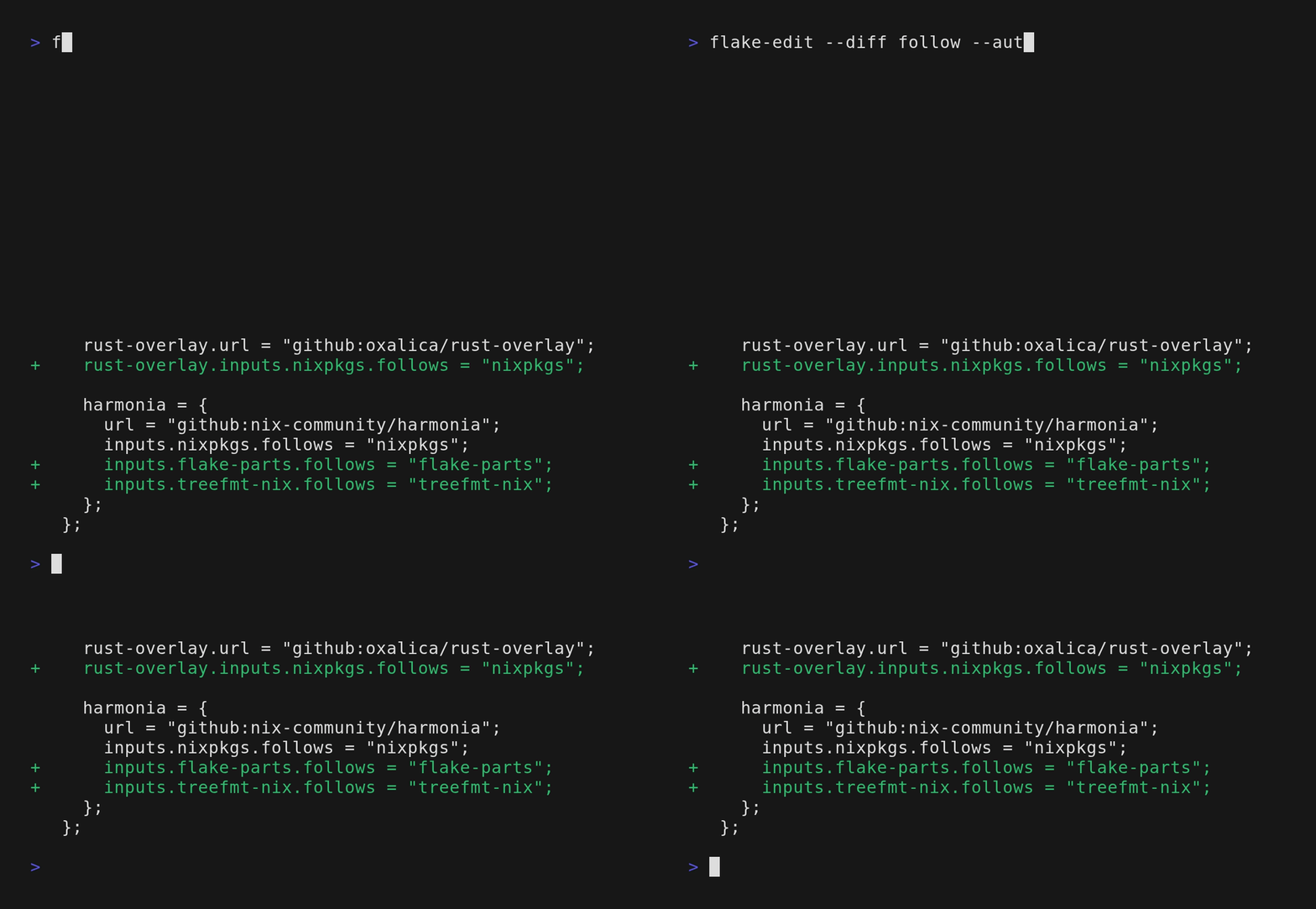
  -a, --auto
          Automatically follow inputs when their nested input names match top-level inputs

  -h, --help
          Print help (see a summary with '-h')
Add a follows relationship to a specific nested input.
Add flake-edit as a library by running:
cargo add flake-edit --no-default-features
Be aware that the lib interface is still unstable.
Though we are already happy to get feedback.
Note
This project is currently in active development and should be considered a work in progress.
The goal of flake-edit is to provide a robust and well-tested interface to flake inputs.
Many edge cases are not covered yet, if you find any issues please consider opening an issue, or a pr.
And we would be happy for feedback of the cli interface especially.
We welcome contributions from the community! Check out the Contributing Guidelines on how to get started.
Stay updated with the latest changes by viewing the Changelog.
MIT